Arabian Script Font Review: A Designer’s Take on Elegance and Texture
There I was, staring at a blank brand board for a local boutique that sells artisanal soaps and handmade candles. The client wanted something warm, inviting, and timeless — not the usual minimalist sans serif or overly decorative script you see everywhere. I needed a font that could bring character without losing clarity, especially when used in product labels and packaging mockups. That’s when I opened up Arabian Script, a Script Handwritten Fonts option with a semi-bold weight and textured shape.
Arabian Script for Wedding Invitations and Elegant Branding
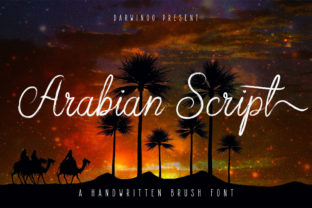
Arabian Script has an unmistakable charm that immediately caught my eye. Its semi-bold weight gives it presence while still feeling soft and approachable. The texture of each stroke adds depth and personality — it’s like looking at a calligrapher’s brushwork translated into digital form. I tested it on wedding invitations first because its elegance screams romance and sophistication. It works beautifully as the headline, paired with a clean sans serif body text to keep the rest legible and balanced.
What stood out during testing was how well it adapts to different formats. On paper stock, the texture feels more natural and handcrafted. In digital layouts, it holds its own with enough contrast to avoid looking washed out. For clients who want a personal touch in their branding but still need it to feel professional, this is a solid pick.
Using Arabian Script in Logo Design and Product Packaging
Next, I tried Arabian Script in logo design for the same boutique project. I sketched a few variations using it as the main typeface. It worked particularly well when used in short taglines or brand names — just a few words to highlight the artisanal feel. But I quickly realized that using it for full sentences or longer brand slogans might be problematic due to its ornate nature. This isn’t a font for dense text; it’s a display font meant to make a statement.
For product packaging, I layered Arabian Script over a matte background with gold foil accents. The result? A look that felt both luxurious and authentic. The texture of the Script Handwritten style gave the label a hand-painted vibe, which really resonated with the handmade aesthetic the client was going for. I also used it subtly in subheadings on flyers and posters, where it added visual interest without overwhelming the layout.
Arabian Script in Social Media Layouts and Website Headers
I wasn’t sure how it would perform online, but after placing Arabian Script in a homepage hero section and across several social media templates, I was impressed. At larger sizes, it reads clearly even on mobile screens. When used sparingly — say, for a hero headline or Instagram post title — it elevates the content without making it inaccessible. However, I avoided using it for long paragraphs or captions, where it would lose readability and dilute the message.
In one case, I used it for a bakery’s Instagram grid. Each post had a short phrase in Arabian Script above the photo, followed by a simple sans serif caption. The mix created a nice balance between creativity and clarity. The textured strokes looked great in Stories too, especially when animated with a slow reveal effect.
Arabian Script as a Display Font in Creative Projects
If there’s one thing I’ve learned from years of working with Fonts, it’s that some are just made for showing off. Arabian Script fits right into that category. Its semi-bold weight gives it enough heft to stand tall next to bold imagery, and the handwritten feel brings warmth to any design. I found it most effective when used in short phrases, such as headlines, pull quotes, and event titles.
It’s not your typical Script Handwritten font. Many scripts either feel too delicate or too stylized. Arabian Script strikes a middle ground. It has enough detail to feel elegant, but the consistent baseline and spacing help maintain professionalism. Just don’t expect it to work well in small sizes — it needs room to breathe.
Font Pairing Ideas with Arabian Script
Pairing Arabian Script with the right supporting typeface is key to unlocking its potential. I found that pairing it with a classic serif font like Playfair Display or Georgia helped create a refined contrast in editorial layouts. For a more modern twist, a geometric sans serif like Montserrat or Lato brought balance without clashing.
- With Serif Fonts: Great for luxury branding, editorial design, and packaging mockups where a traditional feel is desired.
- With Sans Serif Fonts: Ideal for digital projects, web headers, and social media layouts where simplicity and legibility matter.
- With Other Script Fonts: Use cautiously — stick to alternating styles or layering with lighter scripts for subtle visual rhythm.
The beauty of Arabian Script is that it doesn’t demand to be the only show in town. It plays well with others, especially when you’re aiming for a blend of elegance and accessibility in your brand identity.
When Not to Use Arabian Script
While Arabian Script shines in many scenarios, it’s not a one-size-fits-all solution. Avoid using it in formal corporate materials or anything requiring large amounts of body text. It lacks the sharpness and uniformity needed for technical or data-heavy designs. Also, if your target audience leans toward minimalism or modern aesthetics, it may feel out of place unless carefully integrated.
I once tried it on a tech startup’s landing page, and it didn’t resonate. The font was too ornate for the sleek interface. That said, for lifestyle brands, creative studios, and small businesses targeting niche audiences — think weddings, wellness, or handmade goods — it’s a perfect fit.
Testing Arabian Script Before Going Live
Before handing off a final design to a client, I always test Fonts in real-world conditions. With Arabian Script, I printed it on various cardstocks, viewed it on screen at different resolutions, and tested it in multiple color schemes. Here’s what I recommend:
- Print a sample business card or label to see how the texture looks in physical form.
- Use it in a website header and scroll through the page to check how it interacts with other elements.
- Try it in both light and dark backgrounds to ensure it maintains contrast and legibility.
Also, check for included alternates and ligatures. These can enhance the flow and uniqueness of your typography, especially in logos and titles. If you're creating a multi-language product or website, verify whether the font supports the necessary characters — some handwritten fonts fall short here.
Commercial Licensing and Practical Tips
One thing every designer must remember: before using Arabian Script in commercial design assets, review the font licensing agreement. Some Fonts allow personal use only, while premium versions include permissions for websites, print-on-demand products, and client deliverables. You wouldn’t want to build an entire brand identity around a font that can't legally go into production.
As a rule of thumb, always ask about usage rights when purchasing or downloading Script Handwritten fonts. Look for clear details on whether it's suitable for logos, social media graphics, or web design. A good font should come with options for desktop, webfont, and app use — depending on your needs.
Another practical tip: use it in moderation. Don’t let the texture overpower your layout. Keep the background simple, maybe a neutral tone or a soft gradient, to let the typeface take center stage. And when using it in brand boards or moodboards, pair it with complementary textures and colors that match its organic, elegant vibe.
Final Thoughts on Arabian Script for Real-World Projects
After putting Arabian Script through several design scenarios — from logo drafts to packaging mockups and social media headers — I can confidently say it’s a strong contender for anyone needing a Script Handwritten font that balances beauty and functionality. It’s not just another pretty face; it has character, texture, and a sense of purpose that makes it ideal for Fonts lovers who value both aesthetics and usability.
Whether you're designing a boutique identity, crafting a set of wedding invitations, or refreshing a café’s branding, Arabian Script offers a unique voice that stands apart from the crowd. It’s a font that invites emotion and tells a story — and that’s exactly what your brand needs to connect with customers on a deeper level.
So if you’re looking for a Fonts solution that blends elegance with a touch of texture, give Arabian Script a try. Test it in your next project, and see how it transforms your brand identity into something truly memorable.